



The focus of the scientific interest of Dr. Milica Manojlović-Stojanoski, Principal Research Fellow of the Department of Cytology, is the phenomena of development and programming. The topic of the master's thesis (defended in 1996) and the dissertation (defended in 2004) on the determination of the function and role of the hypothalamic-pituitary-adrenal system of the fetus was deepened in the later study under problematic and methodological aspects.
As changes in the hypothalamic-pituitary-adrenal system during the formative-prenatal period have far-reaching consequences on the (neuro)physiology of the organism, the effects on the metabolism and behavior of the offspring are the subject of her further research. The establishment of a model system of developmental toxicity has enabled the investigation of immediate and delayed effects of prenatal exposure to synthetic glucocorticoids to be extended to research of the effects of selenium nanoparticles, and other nanomaterials, during development, as the most vulnerable period of the life cycle.
As a member of the Department of Cytology, Dr. Milica Manojlović-Stojanoski primarily pursues a structural research approach. Namely, structural changes in the nervous, endocrine and metabolic milieu of the organism established by the application of various types of qualitative and quantitative microscopy, including design-based stereology, represent an indispensable level of research in the comprehensive overview of functional changes in the neuroendocrine system of fetuses and offspring after prenatal exposure to various substances.
This methodological approach, also applied in the field of dental studies, enabled a deeper understanding of the influence of a wide range of natural and synthetic materials on the processes of osteogenesis and regeneration of dental tissues, contributing to the improvement of the quality of dental therapies and results for patients.
Dr. Milica Manojlović-Stojanoski has published the results of her research in over 80 publications.

Behavioural biology studies animal behaviour at a systemic level by integrating behavioural, ecological, physiological, and molecular approaches to describe how different behavioral elements have been shaped through evolution.
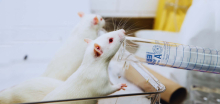
Animal physiology studies how biological processes work, how they operate under different environmental conditions, and how these processes are regulated and integrated. They can be studied at different levels of organisation, from organelles and cell membranes to cells, tissues, organ systems, and the whole animal, both during development and in adulthood.

Nutrition is the process by which the body uses food to produce energy and sustain life. The science of nutrition studies the role of nutrients and other food components in the growth, reproduction, health and disease of the organism. Food ingredients with medicinal properties are called nutriceuticals and can be used to treat or prevent disease. There are more and more alternative sources of food, such as edible insects, which should limit the negative impact of food production on the environment.
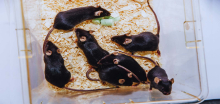
Metabolism is the totality of all chemical reactions that provide energy to cells and maintain the vital state of cells and organisms. Metabolism is a tightly regulated process, and control of metabolic pathways allows organisms to successfully interact with their environment. Metabolic regulation is key to understanding and treating a number of chronic diseases, including diabetes, obesity, hypertension, and cancer.
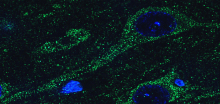
Neurobiology studies the anatomy, physiology, and pathology of the nervous system. From the molecular and biochemical basis of this system, to the study of behavioral plasticity, to understanding the driving forces of neurodegenerative diseases and how they can be treated. Electrophysiology studies biophysical properties in vertebrate neurons and links morphofunctional features of the brain to observed animal behavior. The ultimate goal is to identify active substances that may have a protective effect in neurological and psychiatric diseases.

Dr. Marko Miller is a senior research associate in the Department of Cytology at the Institute for Biological Research "Siniša Stanković", University of Belgrade. His research focuses on the biology of aging, redox biology, and animal physiology, with a particular interest in how natural compounds can contribute to tissue health during aging.
In particular, he examines the effects of natural polyphenols, especially citrus flavanones, on the processes that govern tissue homeostasis and healthy aging. His research focuses on redox regulation, H₂S signaling, and protein persulfidation — processes associated with oxidative stress, inflammation, senescence, and changes in tissue structure and function. He studies these mechanisms in various organs, including the liver, endocrine system, and prostate, using histological, histochemical, immunohistochemical, ultrastructural, and molecular biological methods.
As part of his professional training, he stayed at the Leibniz-Institut für Analytische Wissenschaften - ISAS in Dortmund, Germany, where he deepened his knowledge of redox biology and protein post-translational modifications. A more recent direction of his work focuses on experimental models of natural aging and their translational value in studying changes associated with aging, with an emphasis on persulfidation as a possible indicator of redox and functional status in tissues. He is currently participating in one national and one international research project.

The biology of ageing is focused on better understanding the molecular, cellular and physiological processes underlying the ageing process and the diseases associated with this process.
Animal physiology studies how biological processes work, how they operate under different environmental conditions, and how these processes are regulated and integrated. They can be studied at different levels of organisation, from organelles and cell membranes to cells, tissues, organ systems, and the whole animal, both during development and in adulthood.
Nutrition is the process by which the body uses food to produce energy and sustain life. The science of nutrition studies the role of nutrients and other food components in the growth, reproduction, health and disease of the organism. Food ingredients with medicinal properties are called nutriceuticals and can be used to treat or prevent disease. There are more and more alternative sources of food, such as edible insects, which should limit the negative impact of food production on the environment.
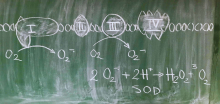
Redox biology is the study of all aspects of biology mediated or influenced by biochemical processes involving reduction (gain of electrons) and oxidation (loss of electrons). Redox homeostasis is central to the basic functions of life, including metabolism and respiration, and when altered it can promote the progression of disease and ageing.

Dr Jasmina Živanović is a senior research associate at the Department of Cytology at IBISS. She received her Ph.D. in 2013 at the Faculty of Biology, University of Belgrade. In the period from 2008 to 2019, she participated in two projects of the Ministry of Education, Science and Technological Development of the Republic of Serbia. Her research interest is focused on examination of the effects of substances of natural origin, isoflavones of soy, on the regulation of function of the key regulators of mineral metabolism in an animal model of the andropause. Additionally, an important direction of her research is the investigation of the aging process in a different animal models as well as the impact of citrus polyphenols on the endocrine system and redox regulation. Dr Živanović was postdoctoral researcher, for two and a half years, in Dr. Miloš Filipović’s group in the laboratory Signaling by Gasotransmitters, Institute of Biochemistry and Cell Genetics, CNRS, University of Bordeaux, France. Her research was focused on developing a new selective method for detecting persulfidated proteins as well as determining the physiological roles of persulfidation in in vitro and in vivo experimental models. Dr Živanović was the leader of the Diaspora project approved by the Science Fund of the Republic of Serbia (2021-2023). Jasmina is a work package coordinator of the project ADVANCED, approved by the Science Fund of the Republic of Serbia within the program PRIZME (2024-2027). Currently, in the Department of Cytology her particular interest is investigation of the levels of persulfidation after administration of citrus flavanones in a model of naturally aged male rats. She is also a member of the Serbian Society for Microscopy, the European Society for Microscopy, the Society of Physiologists of Serbia and the Serbian Society for Molecular Biology.
The biology of ageing is focused on better understanding the molecular, cellular and physiological processes underlying the ageing process and the diseases associated with this process.
Animal physiology studies how biological processes work, how they operate under different environmental conditions, and how these processes are regulated and integrated. They can be studied at different levels of organisation, from organelles and cell membranes to cells, tissues, organ systems, and the whole animal, both during development and in adulthood.
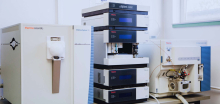
Natural products are complex chemical compounds synthesised by living organisms through biochemical processes, with a specific physiological or ecological function. Researchers at the Institute study the chemical characterization and isolation of natural products, metabolic engineering, as well as the assessment of the possibility of their application in industry (as medicaments, dietary supplements and functional food, biopesticides).
Redox biology is the study of all aspects of biology mediated or influenced by biochemical processes involving reduction (gain of electrons) and oxidation (loss of electrons). Redox homeostasis is central to the basic functions of life, including metabolism and respiration, and when altered it can promote the progression of disease and ageing.
Scopus
Authored or co-authored more than 90 peer-reviewed scientific papers. He participated as a mentor or committee member in PhD and MSc theses defense.
Research Focus:
Research of Branko Filipović PhD, focuses on the study of phenomenology of aging in males and remedial application of steroid and peptide hormones, as well as plant polyphenols, with accent on the bone homeostasis and the function of calcitonin-producing thyroid C-cells. Recent research is focused on investigating the effects of incretin treatment in combination with strength-endurance training on the musculoskeletal system of middle-aged rats.
Education:
Faculty of Biology, University of Belgrade, Belgrade, Serbia.
• Ph.D. in Biological Sciences, Faculty of Biology, University of Belgrade, Serbia, 2008.
• M.Sc. in Biological Sciences, Faculty of Biology, University of Belgrade, 2003.
• B.Sc. in Biology, Faculty of Biology, University of Belgrade, 1996.
Honors and Awards:
• Highest-ranking scientist (A1), Ministry of Science and Technological Development, Republic of Serbia, 2011–2024.
Scientific research activities:
• Currently engaged in the IBISS Work Program funded by the Ministry of Education, Science and Technological Development of the Republic of Serbia, contract number 451-03-66/2024-143200007.
• 2011 - 2020. Project 173009OI: “The response of rat neuroendocrine system to selected plant extracts, phytoestrogens, steroid and peptide hormones”.
• 2006 - 2010. Project 143007B: “The effects of phytoestrogens, steroid and peptide hormones on the neuroendocrine cells”.
• 2001 - 2005. Project 1710: “Morphofunctional evaluation of the effects of hormones on the neuroendocrine system during the life cycle”.
• 1998 – 2000. Project 03E17: “Cytological evaluation of hormonal effects in functional regulation of neuroendocrine system”.
Professional memberships:
• The European Society of Endocrinology (ESE)
• Serbian biological Society
Behavioural biology studies animal behaviour at a systemic level by integrating behavioural, ecological, physiological, and molecular approaches to describe how different behavioral elements have been shaped through evolution.
The biology of ageing is focused on better understanding the molecular, cellular and physiological processes underlying the ageing process and the diseases associated with this process.
Animal physiology studies how biological processes work, how they operate under different environmental conditions, and how these processes are regulated and integrated. They can be studied at different levels of organisation, from organelles and cell membranes to cells, tissues, organ systems, and the whole animal, both during development and in adulthood.
Nutrition is the process by which the body uses food to produce energy and sustain life. The science of nutrition studies the role of nutrients and other food components in the growth, reproduction, health and disease of the organism. Food ingredients with medicinal properties are called nutriceuticals and can be used to treat or prevent disease. There are more and more alternative sources of food, such as edible insects, which should limit the negative impact of food production on the environment.
Metabolism is the totality of all chemical reactions that provide energy to cells and maintain the vital state of cells and organisms. Metabolism is a tightly regulated process, and control of metabolic pathways allows organisms to successfully interact with their environment. Metabolic regulation is key to understanding and treating a number of chronic diseases, including diabetes, obesity, hypertension, and cancer.
Redox biology is the study of all aspects of biology mediated or influenced by biochemical processes involving reduction (gain of electrons) and oxidation (loss of electrons). Redox homeostasis is central to the basic functions of life, including metabolism and respiration, and when altered it can promote the progression of disease and ageing.

ResearchGate
Principal Research Fellow at the Institute for Biological Research “Siniša Stanković”- National Institute of Republic of Serbia, with twenty-five years of research experience in experimental endocrinology. Author/coauthor of nearly 100 peer-reviewed publications. Member of the Science Committee of the European Society for Endocrinology (2018-2021). Mentor of PhD and MSc students. Experienced in communicating science, particularly to the youth.
Research Focus:
Her past and present research primarily focuses on the sex-specific effects of hormone-based treatments and endocrine-active compounds from food plants on the pituitary-thyroid and other endocrine axes, and the liver, as the main target of thyroid and other hormones, using aged rat models.
Currently, she coordinates research that focuses on exploring the potential of incretin - based treatments in combination with strength-endurance training. The aim of the research is to determine the physiological and molecular mechanisms through which these treatments, either individually or in combination, could contribute to maintaining health and longevity in both sexes.
Additionally, she is involved in research on cholesterol metabolism and clinical endocrine tumors, collaborating with institutions from Serbia and the EU.
Education:
• Ph.D. in Biological Sciences, Faculty of Biology, University of Belgrade, Serbia, 2008
• M.Sc. in Biological Sciences, Faculty of Biology, University of Belgrade, 2003
• B.Sc. in Molecular Biology and Physiology, Faculty of Biology, University of Belgrade, 1998
International Postdoctoral Scientific Visits:
• Annual visits to the Institute for Clinical Chemistry and Pharmacology, University of Bonn, Germany, since 2014
• Three-month research visits to Charité University Medicine Berlin, Institute for Experimental Endocrinology, Germany, in 2014 and 2010
Honors and Awards:
• ESE Short–term fellowship, 2014
• Highest-ranking scientist (A1), Ministry of Science and Technological Development, Republic of Serbia, 2011–2024
• DAAD Short-term fellowship, 2010
• Scholarship for Talented Postgraduate Students, Ministry of Science and Technology of Serbia, 2000–2002
Behavioural biology studies animal behaviour at a systemic level by integrating behavioural, ecological, physiological, and molecular approaches to describe how different behavioral elements have been shaped through evolution.
The biology of ageing is focused on better understanding the molecular, cellular and physiological processes underlying the ageing process and the diseases associated with this process.
Animal physiology studies how biological processes work, how they operate under different environmental conditions, and how these processes are regulated and integrated. They can be studied at different levels of organisation, from organelles and cell membranes to cells, tissues, organ systems, and the whole animal, both during development and in adulthood.
Nutrition is the process by which the body uses food to produce energy and sustain life. The science of nutrition studies the role of nutrients and other food components in the growth, reproduction, health and disease of the organism. Food ingredients with medicinal properties are called nutriceuticals and can be used to treat or prevent disease. There are more and more alternative sources of food, such as edible insects, which should limit the negative impact of food production on the environment.
Metabolism is the totality of all chemical reactions that provide energy to cells and maintain the vital state of cells and organisms. Metabolism is a tightly regulated process, and control of metabolic pathways allows organisms to successfully interact with their environment. Metabolic regulation is key to understanding and treating a number of chronic diseases, including diabetes, obesity, hypertension, and cancer.
Redox biology is the study of all aspects of biology mediated or influenced by biochemical processes involving reduction (gain of electrons) and oxidation (loss of electrons). Redox homeostasis is central to the basic functions of life, including metabolism and respiration, and when altered it can promote the progression of disease and ageing.

EDUCATION
2020- PhD student in Molecular Biology
Faculty of Biology, University of Belgrade
Molecular Biomedicine
2019-2020 MSc in Molecular Biology and Physiology
Faculty of Biology, University of Belgrade
Experimental Biomedicine
GPA: 9.60/10.00
Master's thesis: "The effect of the late-onset dietary restriction on the development of inflammation in the liver of old Wistar rats"
2015-2019 BSc in Molecular Biology and Physiology
Faculty of Biology, University of Belgrade
GPA: 9.00/10.00
ACADEMIC & PROFESSIONAL EXPERIENCE
2023- Research Assistant
Institute for biological research „Siniša Stanković” - National Institute of the
Republic of Serbia, University of Belgrade
Department of Biochemistry
2020-2023 Junior Research Assistant
Institute for biological research „Siniša Stanković” - National Institute of the
Republic of Serbia, University of Belgrade
Department of Biochemistry
RESEARCH INTERESTS & METHODS
Obesity, Gut microbiota, Molecular endocrinology, Molecular mechanisms of metabolic disorders, Nutritional biochemistry, Aging, Diet restriction
Rodent models, Western blot, qPCR, ELISA, Histology, Bioinformatics analyses of metagenomics data
PROJECTS, FELLOWSHIPS & HONORS
2024-2027 Project STRIMHealth (HORIZON-WIDERA-2023-ACCESS-02-01, proposal number: 101159400)
2021 Recipient of the Ministry of Education, Science and Technological Development contest for the involvement of talented young researchers in SRO's scientific research work
2021 Prize for the best master thesis, Foundation „Goran Ljubijankić“
2020 Scholarship for Students, Ministry of Education, Science and Technological Development of Serbia
2019-2020 Scholarship for the best students from the territory of the Obrenovac Municipality
2015 3rd place at State Competition organized by Regional Talent Center for High School students with research project ’’Dexamethasone affects biometric parameters and corticosterone level in serum and hippocampus of adult male rats’’
PROFESSIONAL SOCIETIES
Serbian Society for Molecular Biology
PUBLICATIONS
Scopus ID: 57329447100
Researcher ID (WoS, Publons): GIK-8625-2022

Biotechnology is defined as the use of biological processes and systems (living organisms or their parts) to develop or modify different processes or products useful to humans and includes analysis of risks of its implementation (biosafety).
Animal physiology studies how biological processes work, how they operate under different environmental conditions, and how these processes are regulated and integrated. They can be studied at different levels of organisation, from organelles and cell membranes to cells, tissues, organ systems, and the whole animal, both during development and in adulthood.
Nutrition is the process by which the body uses food to produce energy and sustain life. The science of nutrition studies the role of nutrients and other food components in the growth, reproduction, health and disease of the organism. Food ingredients with medicinal properties are called nutriceuticals and can be used to treat or prevent disease. There are more and more alternative sources of food, such as edible insects, which should limit the negative impact of food production on the environment.
Metabolism is the totality of all chemical reactions that provide energy to cells and maintain the vital state of cells and organisms. Metabolism is a tightly regulated process, and control of metabolic pathways allows organisms to successfully interact with their environment. Metabolic regulation is key to understanding and treating a number of chronic diseases, including diabetes, obesity, hypertension, and cancer.

My IBISS story started at the end of 2011 when I finished bachelor studies in Molecular Biology at the University of Belgrade–Faculty of Biology (2007-2010) and was in the middle of two-year master studies at the same program (2010 – 2012). As a Research Trainee, I have joined the Department for Biochemistry to complete experimental part of my master's thesis. In 2013, I was employed as a Research Assistant at Department for Biochemistry where I performed research for PhD studies (2012 – 2017, University of Belgrade – Faculty of Biology) and successfully defended thesis entitled: The development of metabolic syndrome induced by the combination of stress and fructose enriched diet – the contribution of glucocorticoids in visceral adipose tissue and hypothalamus of female rats. I continued my research (as a Senior Research Associate, from 2023) exploring molecular mechanisms and organ crosstalk leading to development of metabolic syndrome and type 2 diabetes in both genders, as a consequence of modern lifestyle that is characterized by daily exposure to stress and an increased intake of caloric food rich in fructose. In addition, I am dedicated to analyzing and clarifying the role of microbiota in metabolic disturbances and efficient weight loss.
Through years established international collaborations with University in Lausanne (SCOPES project, 2014 – 2017), Danish Diabetes and Endocrine Academy (PhD course, 2014), Laboratory for Systemic and Computational Biology MSKCC, New York (three months postdoctoral training, 2022), Universities of Amsterdam, Lisbon and Örebro (Horizon-Twinning project STRIMHealth, 2024 – 2027). Participated in education of students as Junior Teaching Assistant at University of Belgrade–Faculty of Biology (2012 – 2016) and as mentor of PhD thesis (2019 – 2023). Actively involved in popularizing science through Research Night, Science Fair, IBISS Open Door. Member of Serbian Biochemical Society, Serbian Society for Molecular Biology, Serbian Neuroscience Society, Danish Diabetes and Endocrine Academy.

Inflammation is a response to damage and danger in organisms and is an integral part of research in immunology, but also in other scientific disciplines, since inflammation occurs in numerous pathological conditions like diabetes or cancer. Immunology studies body’s defence mechanisms at cellular and molecular level in infective diseases, as well as immune system malfunctions in autoimmune diseases and allergies Modification of body’s immune system is useful in treatment of these diseases, and can be performed through pharmacological modulation or immunotherapy, where immune cells or their parts are used. Acute-phase proteins and potential biological markers of inflammation involved in the modification and integration of signalling pathways are being investigated in order to predict and intervene in diseases.
Nutrition is the process by which the body uses food to produce energy and sustain life. The science of nutrition studies the role of nutrients and other food components in the growth, reproduction, health and disease of the organism. Food ingredients with medicinal properties are called nutriceuticals and can be used to treat or prevent disease. There are more and more alternative sources of food, such as edible insects, which should limit the negative impact of food production on the environment.
Metabolism is the totality of all chemical reactions that provide energy to cells and maintain the vital state of cells and organisms. Metabolism is a tightly regulated process, and control of metabolic pathways allows organisms to successfully interact with their environment. Metabolic regulation is key to understanding and treating a number of chronic diseases, including diabetes, obesity, hypertension, and cancer.

Dr. Nataša Veličković was born on November 4, 1971 in Belgrade. She completed her bachelor's degrees, Master's and Doctoral studies at the Faculty of Biology, University of Belgrade, in 1996, 2001 and 2009, respectively. She was employed at the Institute for Nuclear Sciences "Vinča" (1996 – 2010), and since 2010, she has been employed at the Institute for Biological Research "Siniša Stanković" at the Department of Biochemistry. The main research field of Dr. Veličković's is examination of pathophysiological changes of energy metabolism in animal models of metabolic syndrome and in patients with metabolic dysfunction-associated steatotic liver disease (MASLD), with a focus on lipid and glucose metabolism disturbances. The main research topics are characterization of animal models of metabolic syndrome, investigation of molecular mechanisms of lipid metabolism disorders, inflammation and insulin sensitivity in adipose tissue and liver, examination of lipid and metabolite profiles in patients with MASLD, study of the role of microbiota in metabolic disorders related to excessive caloric diets and MASLD. A special research focus is on examining the role of glucocorticoid hormones in metabolic disorders linked to obesity and fatty liver disease. As postdoctoral researchers, Dr. Veličković spent two weeks at the Department of Physiology of the University of Lausanne, Switzerland (2017). Dr. Veličković is a recipient of a fellowship for a successful master's thesis (1996-1997) and award for an outstanding research contribution (2003) from the Ministry of Science and Environmental Protection of the Republic of Serbia, recipient of a scholarship from IBRO (2003), CASCADE Network of Excellence (2005) and FEBS Society (2009) for participation in workshops and congresses. She was participant in a Joint research project of Serbia and Switzerland SCOPES (project number IZ73Z0_152331) (2014-2017). Dr. Veličković is the coordinator of the HORIZON-WIDERA-2023-ACCESS-02 Twinning call entitled "Strengthening Translational Research for Improved Metabolic Health" (STRIMHealth) (project number 101159400) (2024-2027).
Biotechnology is defined as the use of biological processes and systems (living organisms or their parts) to develop or modify different processes or products useful to humans and includes analysis of risks of its implementation (biosafety).
Animal physiology studies how biological processes work, how they operate under different environmental conditions, and how these processes are regulated and integrated. They can be studied at different levels of organisation, from organelles and cell membranes to cells, tissues, organ systems, and the whole animal, both during development and in adulthood.
Nutrition is the process by which the body uses food to produce energy and sustain life. The science of nutrition studies the role of nutrients and other food components in the growth, reproduction, health and disease of the organism. Food ingredients with medicinal properties are called nutriceuticals and can be used to treat or prevent disease. There are more and more alternative sources of food, such as edible insects, which should limit the negative impact of food production on the environment.
Metabolism is the totality of all chemical reactions that provide energy to cells and maintain the vital state of cells and organisms. Metabolism is a tightly regulated process, and control of metabolic pathways allows organisms to successfully interact with their environment. Metabolic regulation is key to understanding and treating a number of chronic diseases, including diabetes, obesity, hypertension, and cancer.

Marina gained her Master’s (M.Sc.) in Molecular Biology and Physiology (2010), as well as her Ph.D. degree in 2016 at the University of Belgrade Faculty of Biology.
Her most relevant scientific interests include molecular pathophysiology of obesity, insulin and leptin resistance, inflammation and comorbidities of the Metabolic and Polycystic Ovary syndromes, including the influence of the variations in ecology, genetic and metabolic features of the gut microbiome in these diseases. Her latest publications review the epidemiological, therapeutic and molecular aspects of antimicrobial resistance, including the potential influence of the presence of its genetic markers in probiotic bacteria on the gut microbiome ecology and antibiotic resistance.
Marina has continuously been an employee of the Institute for Biological Research ""Siniša Stanković"", National Institute of the Republic of Serbia since 2011, although, she shortly occupied а remote scientific writer position at Cambridge Cell net Ltd., Novi Sad.
To this day, she actively participated in the realization of one national project titled “The Role of Steroid Hormones in the Neuroendocrine Adaptation to Stress and Pathophysiology of the Metabolic Syndrome – Molecular Mechanisms and Clinical Implications” (2011-2019), as well as in the international project financed by the Swiss National Science Foundation (Berne, CH) called “Interactions between stress and dietary fructose in the development of the metabolic syndrome: role of glucocorticoids” (2014-2017). Starting from June 2024, her involvement in HORIZON-WIDERA-2023 Twinning project named „Strengthening Translational Research for Improved Metabolic Health” (acronym: STRIMHealth, proposal No 101159400) is planned.
Marina is an active member of the Serbian Society for Molecular Biology (MolBioS) as well as of the Serbian Biochemical Society.
Animal physiology studies how biological processes work, how they operate under different environmental conditions, and how these processes are regulated and integrated. They can be studied at different levels of organisation, from organelles and cell membranes to cells, tissues, organ systems, and the whole animal, both during development and in adulthood.
Inflammation is a response to damage and danger in organisms and is an integral part of research in immunology, but also in other scientific disciplines, since inflammation occurs in numerous pathological conditions like diabetes or cancer. Immunology studies body’s defence mechanisms at cellular and molecular level in infective diseases, as well as immune system malfunctions in autoimmune diseases and allergies Modification of body’s immune system is useful in treatment of these diseases, and can be performed through pharmacological modulation or immunotherapy, where immune cells or their parts are used. Acute-phase proteins and potential biological markers of inflammation involved in the modification and integration of signalling pathways are being investigated in order to predict and intervene in diseases.
Nutrition is the process by which the body uses food to produce energy and sustain life. The science of nutrition studies the role of nutrients and other food components in the growth, reproduction, health and disease of the organism. Food ingredients with medicinal properties are called nutriceuticals and can be used to treat or prevent disease. There are more and more alternative sources of food, such as edible insects, which should limit the negative impact of food production on the environment.
Metabolism is the totality of all chemical reactions that provide energy to cells and maintain the vital state of cells and organisms. Metabolism is a tightly regulated process, and control of metabolic pathways allows organisms to successfully interact with their environment. Metabolic regulation is key to understanding and treating a number of chronic diseases, including diabetes, obesity, hypertension, and cancer.
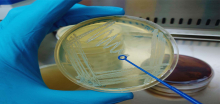
Microbiology studies the structure, function, genetics, and ecology of microorganisms, including bacteria, viruses, fungi, and protozoa. Within the Institute, important areas of microbiological research include medical microbiology, environmental microbiology and industrial microbiology.

After completing my undergraduate studies in Molecular Biology (2014), I enrolled in doctoral studies at the Faculty of Biology, University of Belgrade, in the module Molecular Biology of Eukaryotes. In 2015, I was employed as a Research Trainee at the Department of Biochemistry of the Institute for Biological Research "Siniša Stanković". In 2017 I received the title of Research Assistant, and in 2022 I successfully defended my dissertation entitled: "Lipid metabolism and glucocorticoid signaling pathway in visceral adipose tissue and liver of Mif -/- mice on fructose-enriched diet" within the project "The role of steroid hormones in neuroendocrine adaptation to stress and pathophysiology of metabolic syndrome - molecular mechanisms and clinical implications", which was funded by the Ministry of Education, Science and Technological Development of the Republic of Serbia. As a participant in the international project "Interaction between stress and dietary fructose in the development of the metabolic syndrome: role of glucocorticoids" (SCOPES project, 2015-2017), I was involved in conducting experiments aimed at clarifying the combined effects of chronic stress and a high-fructose diet on the development of metabolic syndrome and type 2 diabetes in male and female rats. As a Research Associate (since 2023), I continued my research investigating the effects of probiotic bacteria on weight loss and the improvement of metabolic parameters, as well as the anti-inflammatory and antioxidant effects of saffron extract in obese mice fed a commercial high-fat diet.
I have received a grant from the European Society of Endocrinology to participate in the Young Scientists Program at the 27th FAOBMB and 44th MSBMB conference in Kuala Lumpur, Malaysia (2019). I am actively involved in numerous events aimed at popularizing science (Researcher's Night, Science Fair, IBISS Open Doors). I am a member of Serbian Society for Molecular Biology, Serbian Biochemical Society and Serbian Neuroscience Society.
Behavioural biology studies animal behaviour at a systemic level by integrating behavioural, ecological, physiological, and molecular approaches to describe how different behavioral elements have been shaped through evolution.
Inflammation is a response to damage and danger in organisms and is an integral part of research in immunology, but also in other scientific disciplines, since inflammation occurs in numerous pathological conditions like diabetes or cancer. Immunology studies body’s defence mechanisms at cellular and molecular level in infective diseases, as well as immune system malfunctions in autoimmune diseases and allergies Modification of body’s immune system is useful in treatment of these diseases, and can be performed through pharmacological modulation or immunotherapy, where immune cells or their parts are used. Acute-phase proteins and potential biological markers of inflammation involved in the modification and integration of signalling pathways are being investigated in order to predict and intervene in diseases.
Nutrition is the process by which the body uses food to produce energy and sustain life. The science of nutrition studies the role of nutrients and other food components in the growth, reproduction, health and disease of the organism. Food ingredients with medicinal properties are called nutriceuticals and can be used to treat or prevent disease. There are more and more alternative sources of food, such as edible insects, which should limit the negative impact of food production on the environment.
Metabolism is the totality of all chemical reactions that provide energy to cells and maintain the vital state of cells and organisms. Metabolism is a tightly regulated process, and control of metabolic pathways allows organisms to successfully interact with their environment. Metabolic regulation is key to understanding and treating a number of chronic diseases, including diabetes, obesity, hypertension, and cancer.
Phone: +381 11 20 78 300
Fax: +381 11 27 61 433
Email: ibiss@ibiss.bg.ac.rs
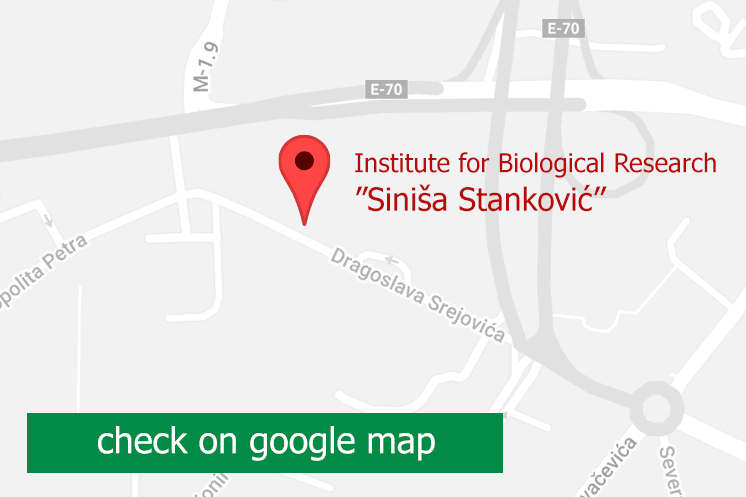
Bulevar despota Stefana 142
11108 Belgrade
Serbia


IBISS uses analytical cookies to analyze the use of the site in order to improve the user experience, by clicking "Accept" you consent to the use of cookies.