


In recent years, duckweed (Lemna minor L.) has shown significant potential for applications in nanotechnology and environmental technology, food technology, production of edible vaccines, and as a model organism for basic research.
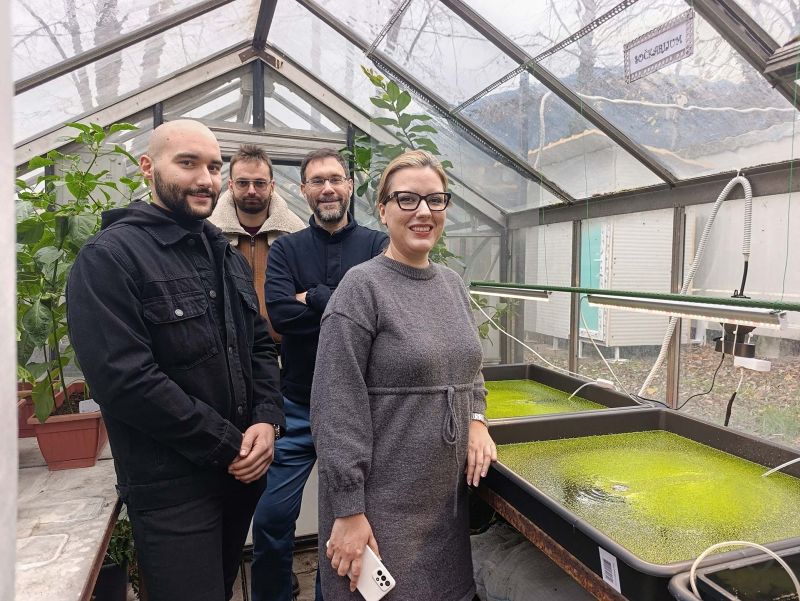
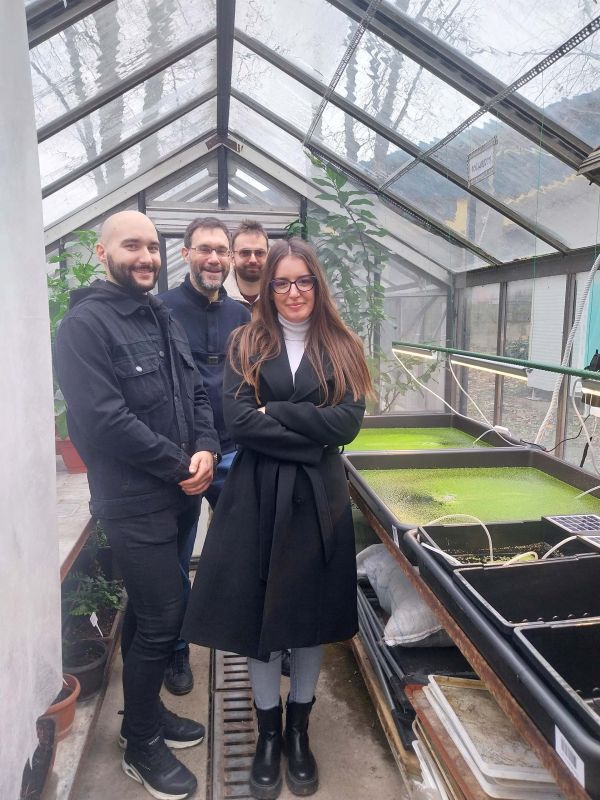
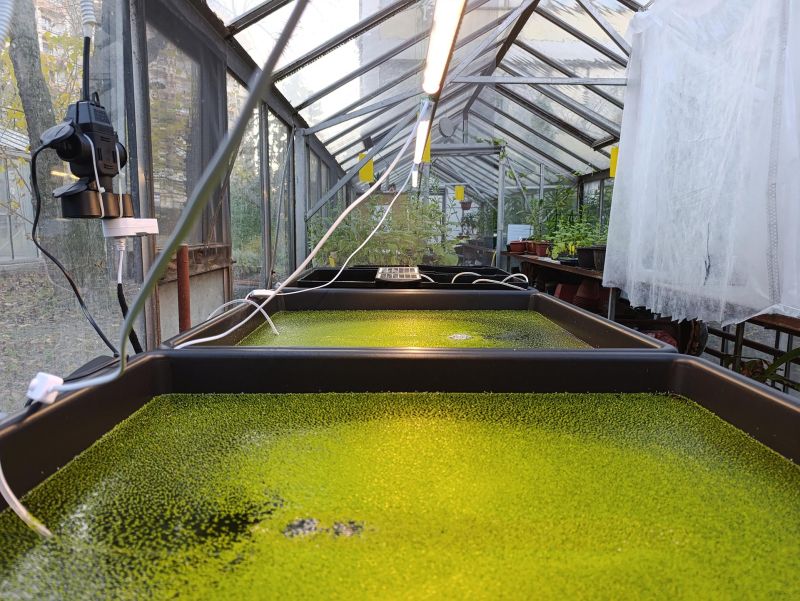
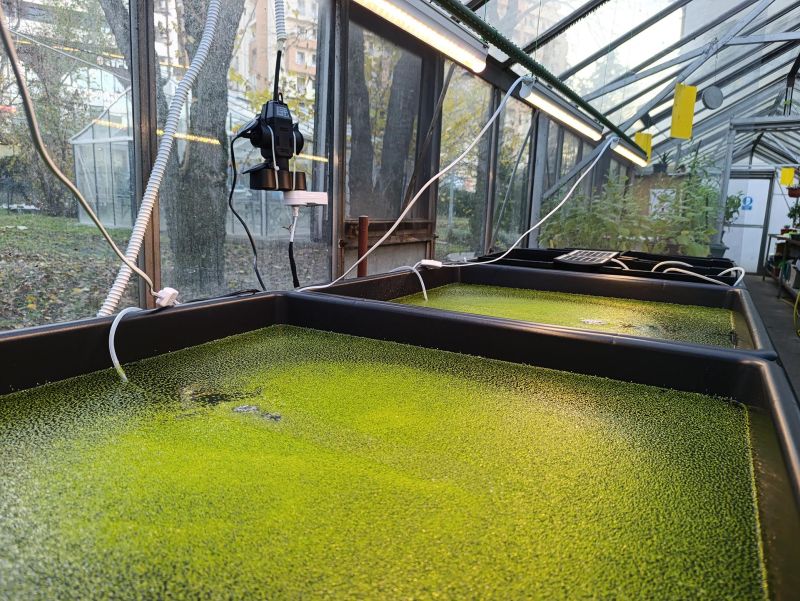
A group of researchers from the Institute for Biological Research "Siniša Stanković" – National Institute of the Republic of Serbia, University of Belgrade, began research with in vitro experiments, but the rapid development of biotechnology imposed the need for larger, ex vitro systems. Thus, they designed and built the Lemnarijum, a hydroponic system equipped with new LED lamps, pumps, and troughs designed for optimal growth of duckweed, with plans for further expansion.
This system, installed in November 2025, is also used for “downstream” applications. Experiments are in preparation with the so-called “green nanoparticles”, a new and exciting chapter in sustainable biotechnology, linking the circular economy with biomedicine. Duckweed is also an edible plant that is considered the food of the future, including food for insect farms. Accordingly, this group is participating in COST Action CA23127 "Group on Insect Nutrition: To Open Nutritional Innovative Challenges (GIN-TONIC)", in collaboration with Dr. Larisa Ilijin, from the Department of Insect Physiology, IBISS.
The development of the Lemnarijum is the result of the work of Dr. Olga Radulović, Dr. Marija Marković and Dr. Martin Raspor. The appearance and functioning of the Lemnarijum are thanks to Aleksandar Matić, a master's student in ecology & technical associate in charge of the greenhouse, with the participation of PhD students Nina Pokimica and Nikola Stamenković, as well as with the full support of Dr. Angelina Subotić.
Phone: +381 11 20 78 300
Fax: +381 11 27 61 433
Email: ibiss@ibiss.bg.ac.rs
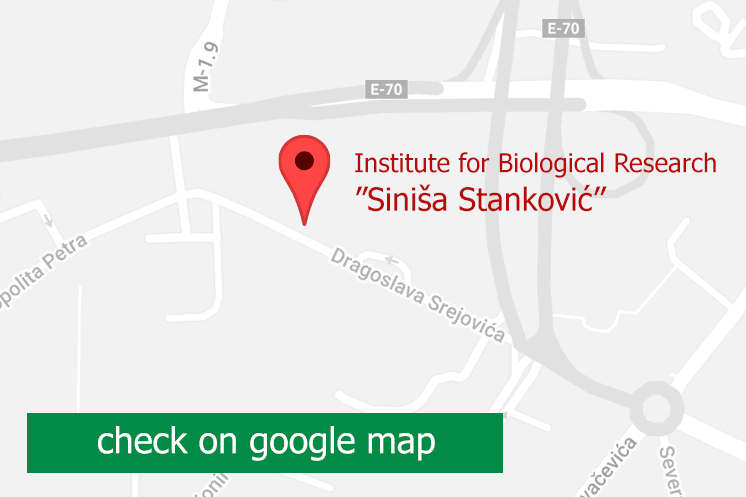
Bulevar despota Stefana 142
11108 Belgrade
Serbia


IBISS uses analytical cookies to analyze the use of the site in order to improve the user experience, by clicking "Accept" you consent to the use of cookies.