


Lecturer: Dr. Aleksandar Joksimović, Principal Research Fellow and Head of the Laboratory for Ichthyology and Marine Fisheries at the Institute of Marine Biology in Kotor, University of Montenegro
Time: Monday, 18th May 2026, 13.00
Venue: IBISS Library
A presentation for new associates was held at the Institute for Biological Research “Siniša Stanković”, with the aim of introducing them to the Institute’s working procedures and key aspects of its operations.
A two-day workshop, “Drug Screening Method Development”, was successfully held on April 22–23, 2026, bringing together researchers, experts, and participants interested in modern approaches to drug discovery and screening.
Last week, the online workshop "Introduction to Machine Learning", organized by the STRIMHealth project and Bioinformatics Team at the Institute for Biological Research “Siniša Stanković”, in collaboration with the School of Medical Sciences at Örebro University, was successfully completed.

I completed my undergraduate studies in Molecular Biology and Physiology in 2016 at the Faculty of Biology, University of Belgrade, and my master’s studies in Biophysics in 2017. After that, I enrolled in PhD studies of Molecular Medicine at the Faculty of Medicine, University of Belgrade, and defended my PhD dissertation titled “Effects of metformin on energy status and mitochondrial function of muscle cells in vitro” in 2024. In the same year, I also completed specialist academic studies at the Faculty of Biology, University of Belgrade (specialist thesis: “Evaluation of hsa-miR-146a levels and the rs2910164 gene variant in subjects with gestational diabetes”). From 2018 to 2026, I was employed at the Clinic for Endocrinology, Diabetes and Metabolic Diseases, Clinical Center of Serbia. In my scientific work so far, I have mainly focused on mitochondrial physiology and energy metabolism in the context of metabolic diseases (type 2 diabetes, gestational diabetes) and mitochondrial diseases (Leber hereditary optic neuropathy). I have investigated mitochondrial respiratory function, signaling pathways regulating energy metabolism, and oxidative stress using cell lines and patient samples. I participated in the COST Action “Mitochondrial mapping: Evolution – Age – Gender – Lifestyle – Environment (MitoEAGLE)” (2016–2020), and in the bilateral scientific cooperation project with Slovenia “Blood biomarkers for evaluation of mitochondrial function in hereditary and acquired mitochondrial diseases affecting visual function” (2023–2025). I also participated in the Biology Seminar of the Petnica Research Station as a scientific associate, and have been involved in science communication through participation in and organization of events such as Brain Awareness Week, Science Festival, European Researchers’ Night, etc. I am a member of the Serbian Biochemical Society.

The biology of ageing is focused on better understanding the molecular, cellular and physiological processes underlying the ageing process and the diseases associated with this process.
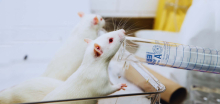
Animal physiology studies how biological processes work, how they operate under different environmental conditions, and how these processes are regulated and integrated. They can be studied at different levels of organisation, from organelles and cell membranes to cells, tissues, organ systems, and the whole animal, both during development and in adulthood.
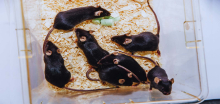
Metabolism is the totality of all chemical reactions that provide energy to cells and maintain the vital state of cells and organisms. Metabolism is a tightly regulated process, and control of metabolic pathways allows organisms to successfully interact with their environment. Metabolic regulation is key to understanding and treating a number of chronic diseases, including diabetes, obesity, hypertension, and cancer.
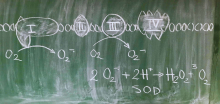
Redox biology is the study of all aspects of biology mediated or influenced by biochemical processes involving reduction (gain of electrons) and oxidation (loss of electrons). Redox homeostasis is central to the basic functions of life, including metabolism and respiration, and when altered it can promote the progression of disease and ageing.

The biology of ageing is focused on better understanding the molecular, cellular and physiological processes underlying the ageing process and the diseases associated with this process.
Animal physiology studies how biological processes work, how they operate under different environmental conditions, and how these processes are regulated and integrated. They can be studied at different levels of organisation, from organelles and cell membranes to cells, tissues, organ systems, and the whole animal, both during development and in adulthood.
Metabolism is the totality of all chemical reactions that provide energy to cells and maintain the vital state of cells and organisms. Metabolism is a tightly regulated process, and control of metabolic pathways allows organisms to successfully interact with their environment. Metabolic regulation is key to understanding and treating a number of chronic diseases, including diabetes, obesity, hypertension, and cancer.
Redox biology is the study of all aspects of biology mediated or influenced by biochemical processes involving reduction (gain of electrons) and oxidation (loss of electrons). Redox homeostasis is central to the basic functions of life, including metabolism and respiration, and when altered it can promote the progression of disease and ageing.
As part of the STRIMHealth project activities, in collaboration with the University of Lisbon, we invite you to participate in the Workshop on Drug Screening Method Development, which will take place on 22 and 23 April 2026 at the IBISS library from 10 to 16h.
The biology of ageing is focused on better understanding the molecular, cellular and physiological processes underlying the ageing process and the diseases associated with this process.
Animal physiology studies how biological processes work, how they operate under different environmental conditions, and how these processes are regulated and integrated. They can be studied at different levels of organisation, from organelles and cell membranes to cells, tissues, organ systems, and the whole animal, both during development and in adulthood.
Metabolism is the totality of all chemical reactions that provide energy to cells and maintain the vital state of cells and organisms. Metabolism is a tightly regulated process, and control of metabolic pathways allows organisms to successfully interact with their environment. Metabolic regulation is key to understanding and treating a number of chronic diseases, including diabetes, obesity, hypertension, and cancer.
Redox biology is the study of all aspects of biology mediated or influenced by biochemical processes involving reduction (gain of electrons) and oxidation (loss of electrons). Redox homeostasis is central to the basic functions of life, including metabolism and respiration, and when altered it can promote the progression of disease and ageing.
Lecturer: Dr. Ana Đorđević, Department of Biochemistry, Institute for Biological Research "Siniša Stanković" - National Institute of the Republic of Serbia, University of Belgrade
Time: Wednesday, 29th April 2026, 13.00
Venue: IBISS Library
The biology of ageing is focused on better understanding the molecular, cellular and physiological processes underlying the ageing process and the diseases associated with this process.
Animal physiology studies how biological processes work, how they operate under different environmental conditions, and how these processes are regulated and integrated. They can be studied at different levels of organisation, from organelles and cell membranes to cells, tissues, organ systems, and the whole animal, both during development and in adulthood.
Metabolism is the totality of all chemical reactions that provide energy to cells and maintain the vital state of cells and organisms. Metabolism is a tightly regulated process, and control of metabolic pathways allows organisms to successfully interact with their environment. Metabolic regulation is key to understanding and treating a number of chronic diseases, including diabetes, obesity, hypertension, and cancer.
Redox biology is the study of all aspects of biology mediated or influenced by biochemical processes involving reduction (gain of electrons) and oxidation (loss of electrons). Redox homeostasis is central to the basic functions of life, including metabolism and respiration, and when altered it can promote the progression of disease and ageing.
The Bioinformatics Team of the Institute for Biological Research "Siniša Stanković" (IBISS) was established as an advisory and consultative body to support the development of this rapidly evolving field within the Institute. The team is focused on enhancing capacities for complex biological data analysis, providing expert support to researchers throughout all project stages—from experimental design to results interpretation. By promoting standardization and education, the Bioinformatics Team contributes to the modernization of scientific research and the strengthening of the technical infrastructure at IBISS.
Key activities of the Bioinformatics Team include:
• Needs Assessment and Strategic Development – Systematically monitoring the needs of researchers and proposing measures to advance the Institute's bioinformatic capacities.
• Consultative Support and Advisory – Assisting research teams in experimental planning, selection of appropriate analytical methods, and processing of large biological datasets.
• Standardization and FAIR Principles Implementation – Defining standards for biological database management and ensuring research outputs are Findable, Accessible, Interoperable, and Reusable.
• Development of Internal Resources – Participating in the creation and maintenance of the Institute’s internal databases and customized software solutions.
• Education and Knowledge Exchange – Organizing internal training sessions, webinars, and presentations regarding the latest bioinformatic tools and methodologies.
• Institutional and International Collaboration – Initiating partnerships with relevant organizations and keeping pace with global trends in bioinformatics.
• Infrastructure Advisory Support – Providing recommendations for hardware and software procurement, as well as planning professional development for researchers in this field.
Members of the Bioinformatics Team:
Dr. Veljko Perović
Dr. Miodrag Dragoj
Dr. Slobodan Davidović
Dr. Pavle Erić
Dr. Tanja Vukov
Miloš Vratarić
The biology of ageing is focused on better understanding the molecular, cellular and physiological processes underlying the ageing process and the diseases associated with this process.
Animal physiology studies how biological processes work, how they operate under different environmental conditions, and how these processes are regulated and integrated. They can be studied at different levels of organisation, from organelles and cell membranes to cells, tissues, organ systems, and the whole animal, both during development and in adulthood.
Metabolism is the totality of all chemical reactions that provide energy to cells and maintain the vital state of cells and organisms. Metabolism is a tightly regulated process, and control of metabolic pathways allows organisms to successfully interact with their environment. Metabolic regulation is key to understanding and treating a number of chronic diseases, including diabetes, obesity, hypertension, and cancer.
Redox biology is the study of all aspects of biology mediated or influenced by biochemical processes involving reduction (gain of electrons) and oxidation (loss of electrons). Redox homeostasis is central to the basic functions of life, including metabolism and respiration, and when altered it can promote the progression of disease and ageing.
COST Action CA24117 - Innate lymphoid cells – the European quest for innovative cancer prognosis and immunotherapy (ILCquest), led by Dr. Ivana Stojanović, principal research fellow from the Department of Immunology, successfully organized its first meeting at the Palace Hotel in Belgrade, 23-24 March, 2026.
The biology of ageing is focused on better understanding the molecular, cellular and physiological processes underlying the ageing process and the diseases associated with this process.
Animal physiology studies how biological processes work, how they operate under different environmental conditions, and how these processes are regulated and integrated. They can be studied at different levels of organisation, from organelles and cell membranes to cells, tissues, organ systems, and the whole animal, both during development and in adulthood.
Metabolism is the totality of all chemical reactions that provide energy to cells and maintain the vital state of cells and organisms. Metabolism is a tightly regulated process, and control of metabolic pathways allows organisms to successfully interact with their environment. Metabolic regulation is key to understanding and treating a number of chronic diseases, including diabetes, obesity, hypertension, and cancer.
Redox biology is the study of all aspects of biology mediated or influenced by biochemical processes involving reduction (gain of electrons) and oxidation (loss of electrons). Redox homeostasis is central to the basic functions of life, including metabolism and respiration, and when altered it can promote the progression of disease and ageing.
Phone: +381 11 20 78 300
Fax: +381 11 27 61 433
Email: ibiss@ibiss.bg.ac.rs
Bulevar despota Stefana 142
11108 Belgrade
Serbia


IBISS uses analytical cookies to analyze the use of the site in order to improve the user experience, by clicking "Accept" you consent to the use of cookies.