



Master of Science in Molecular Biology and Physiology
EDUCATION:
2025 – PhD studies, Faculty of Biology, University of Belgrade, study program Molecular Biology, module Physiology, submodule Translational Research in Neurobiology and Biomedicine.
2024 – 2025. Master’s studies, Faculty of Biology, University of Belgrade, study program Molecular Biology and Physiology, module Experimental Biomedicine. Master's thesis: “Effect of surface ‒ modified titanium dioxide nanoparticles on nephrotoxicity parameters in adult Wistar rats”.
2020 – 2024. Bachelor’s studies, Faculty of Biology, University of Belgrade, study program Biology, specialization in Molecular Biology and Physiology.
WORK EXPERIENCE:
2026 – Junior Research Assistant at the Institute for Biological Research “Siniša Stanković”, Department of Neurobiology.
2024 – 2025. Research internship and master's thesis project at the Department of Molecular Biology and Endocrinology, Institute of Nuclear Sciences “Vinča”.

Behavioural biology studies animal behaviour at a systemic level by integrating behavioural, ecological, physiological, and molecular approaches to describe how different behavioral elements have been shaped through evolution.
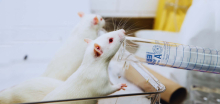
Animal physiology studies how biological processes work, how they operate under different environmental conditions, and how these processes are regulated and integrated. They can be studied at different levels of organisation, from organelles and cell membranes to cells, tissues, organ systems, and the whole animal, both during development and in adulthood.
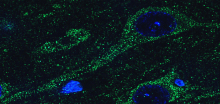
Neurobiology studies the anatomy, physiology, and pathology of the nervous system. From the molecular and biochemical basis of this system, to the study of behavioral plasticity, to understanding the driving forces of neurodegenerative diseases and how they can be treated. Electrophysiology studies biophysical properties in vertebrate neurons and links morphofunctional features of the brain to observed animal behavior. The ultimate goal is to identify active substances that may have a protective effect in neurological and psychiatric diseases.

Master of Science in Molecular Biology and Physiology
EDUCATION:
2025 – PhD studies, Faculty of Biology, University of Belgrade, study program Molecular Biology, module Physiology, submodule Translational Research in Neurobiology and Biomedicine.
2024 – 2025. Master’s studies, Faculty of Biology, University of Belgrade, study program Molecular Biology and Physiology, module Experimental Biomedicine. Master thesis: “In silico and in vitro analysis of COMT-211 and AMPD3-206 transcripts in lung cancer”.
2020 – 2024. Bachelor’s studies, Faculty of Biology, University of Belgrade, study program Biology, specialization in Molecular Biology and Physiology.
WORK EXPERIENCE:
2026 – Junior Research Assistant at the Institute for Biological Research “Siniša Stanković”, Department of Neurobiology.
Animal physiology studies how biological processes work, how they operate under different environmental conditions, and how these processes are regulated and integrated. They can be studied at different levels of organisation, from organelles and cell membranes to cells, tissues, organ systems, and the whole animal, both during development and in adulthood.

Ana Novak graduated with a Bachelor of Science in Biology from the University of Belgrade, Faculty of Biology, in 2024. In 2025, she earned her Master’s degree in Experimental Biomedicine from the same institution after successfully completing her Master’s thesis, titled "Neuroinflammatory profile of the cerebral cortex of APPNL-G-F knock-in mice as a model of Alzheimer's disease." That same year, she enrolled in the PhD program in Animal and Human Physiology at the Faculty of Biology, subsequently attaining the academic rank of Research Trainee. She is currently employed in the Department of Neurophysiology, where she is conducting her doctoral research.
Animal physiology studies how biological processes work, how they operate under different environmental conditions, and how these processes are regulated and integrated. They can be studied at different levels of organisation, from organelles and cell membranes to cells, tissues, organ systems, and the whole animal, both during development and in adulthood.

Inflammation is a response to damage and danger in organisms and is an integral part of research in immunology, but also in other scientific disciplines, since inflammation occurs in numerous pathological conditions like diabetes or cancer. Immunology studies body’s defence mechanisms at cellular and molecular level in infective diseases, as well as immune system malfunctions in autoimmune diseases and allergies Modification of body’s immune system is useful in treatment of these diseases, and can be performed through pharmacological modulation or immunotherapy, where immune cells or their parts are used. Acute-phase proteins and potential biological markers of inflammation involved in the modification and integration of signalling pathways are being investigated in order to predict and intervene in diseases.
Neurobiology studies the anatomy, physiology, and pathology of the nervous system. From the molecular and biochemical basis of this system, to the study of behavioral plasticity, to understanding the driving forces of neurodegenerative diseases and how they can be treated. Electrophysiology studies biophysical properties in vertebrate neurons and links morphofunctional features of the brain to observed animal behavior. The ultimate goal is to identify active substances that may have a protective effect in neurological and psychiatric diseases.
Representatives of the Knowledge and Technology Transfer (KTT) team of the Institute for Biological Research “Siniša Stanković”, Dr. Milica Pešić, Dr. Dušica Ćalić, Dr. Nataša Radulović, and Dr. Danijela Maksimović-Ivanić, participated in the workshop “Intellectual Property as a Business Asset”, held on May 12 at the European House in Belgrade.
Animal physiology studies how biological processes work, how they operate under different environmental conditions, and how these processes are regulated and integrated. They can be studied at different levels of organisation, from organelles and cell membranes to cells, tissues, organ systems, and the whole animal, both during development and in adulthood.
Inflammation is a response to damage and danger in organisms and is an integral part of research in immunology, but also in other scientific disciplines, since inflammation occurs in numerous pathological conditions like diabetes or cancer. Immunology studies body’s defence mechanisms at cellular and molecular level in infective diseases, as well as immune system malfunctions in autoimmune diseases and allergies Modification of body’s immune system is useful in treatment of these diseases, and can be performed through pharmacological modulation or immunotherapy, where immune cells or their parts are used. Acute-phase proteins and potential biological markers of inflammation involved in the modification and integration of signalling pathways are being investigated in order to predict and intervene in diseases.
Neurobiology studies the anatomy, physiology, and pathology of the nervous system. From the molecular and biochemical basis of this system, to the study of behavioral plasticity, to understanding the driving forces of neurodegenerative diseases and how they can be treated. Electrophysiology studies biophysical properties in vertebrate neurons and links morphofunctional features of the brain to observed animal behavior. The ultimate goal is to identify active substances that may have a protective effect in neurological and psychiatric diseases.

Ksenija Mirković – Master of Science in Molecular Biology and Physiology
EDUCATION:
2025 – PhD studies, Faculty of Biology, University of Belgrade, study program Molecular Biology, module Physiology, submodule Translational Research in Neurobiology and Biomedicine.
2024 – 2025. Master’s studies, Faculty of Biology, University of Belgrade, study program Molecular Biology and Physiology, module Immunology. Master thesis: “Investigation of the immunomodulatory effects of the aryl hydrocarbon receptor ligand methyl ester of 2-(1H-indole-3-ylcarbonyl)-thiazole-4-carboxylic acid on BV2 microglial cells”.
2020 – 2024. Bachelor’s studies, Faculty of Biology, University of Belgrade, study program Biology, specialization in Molecular Biology and Physiology.
WORK EXPERIENCE:
2026 – Junior Research Assistant at the Institute for Biological Research “Siniša Stanković”, Department of Immunology.
2024 – 2025. Research internship and master thesis project at the Department of Immunology, Institute for Biological Research “Siniša Stanković”.
2024 – Multi-month professional internship at the Institute of Molecular Genetics and Genetic Engineering, University of Belgrade.
RESEARCH INTERESTS:
Neuroimmunology and autoimmune diseases, with a focus on multiple sclerosis and the animal model experimental autoimmune encephalomyelitis (EAE). The role of the mucosal immune system of the lungs and gut in the pathogenesis and modulation of autoimmune diseases. Investigation of microglial functional plasticity under neuroinflammatory conditions and the possibilities for its pharmacological modulation using aryl hydrocarbon receptor ligands.
Inflammation is a response to damage and danger in organisms and is an integral part of research in immunology, but also in other scientific disciplines, since inflammation occurs in numerous pathological conditions like diabetes or cancer. Immunology studies body’s defence mechanisms at cellular and molecular level in infective diseases, as well as immune system malfunctions in autoimmune diseases and allergies Modification of body’s immune system is useful in treatment of these diseases, and can be performed through pharmacological modulation or immunotherapy, where immune cells or their parts are used. Acute-phase proteins and potential biological markers of inflammation involved in the modification and integration of signalling pathways are being investigated in order to predict and intervene in diseases.
Neurobiology studies the anatomy, physiology, and pathology of the nervous system. From the molecular and biochemical basis of this system, to the study of behavioral plasticity, to understanding the driving forces of neurodegenerative diseases and how they can be treated. Electrophysiology studies biophysical properties in vertebrate neurons and links morphofunctional features of the brain to observed animal behavior. The ultimate goal is to identify active substances that may have a protective effect in neurological and psychiatric diseases.
Dr. Marina Soković and Dr. Jasmina Glamočlija, Department of Plant Physiology, participated in the meeting of the ENFiber COST Action 24111 held in Tartu, Estonia, from May 4 to May 7, 2026. Representatives from 27 countries participated in the meeting and conference.
Inflammation is a response to damage and danger in organisms and is an integral part of research in immunology, but also in other scientific disciplines, since inflammation occurs in numerous pathological conditions like diabetes or cancer. Immunology studies body’s defence mechanisms at cellular and molecular level in infective diseases, as well as immune system malfunctions in autoimmune diseases and allergies Modification of body’s immune system is useful in treatment of these diseases, and can be performed through pharmacological modulation or immunotherapy, where immune cells or their parts are used. Acute-phase proteins and potential biological markers of inflammation involved in the modification and integration of signalling pathways are being investigated in order to predict and intervene in diseases.
Neurobiology studies the anatomy, physiology, and pathology of the nervous system. From the molecular and biochemical basis of this system, to the study of behavioral plasticity, to understanding the driving forces of neurodegenerative diseases and how they can be treated. Electrophysiology studies biophysical properties in vertebrate neurons and links morphofunctional features of the brain to observed animal behavior. The ultimate goal is to identify active substances that may have a protective effect in neurological and psychiatric diseases.

Inflammation is a response to damage and danger in organisms and is an integral part of research in immunology, but also in other scientific disciplines, since inflammation occurs in numerous pathological conditions like diabetes or cancer. Immunology studies body’s defence mechanisms at cellular and molecular level in infective diseases, as well as immune system malfunctions in autoimmune diseases and allergies Modification of body’s immune system is useful in treatment of these diseases, and can be performed through pharmacological modulation or immunotherapy, where immune cells or their parts are used. Acute-phase proteins and potential biological markers of inflammation involved in the modification and integration of signalling pathways are being investigated in order to predict and intervene in diseases.
Neurobiology studies the anatomy, physiology, and pathology of the nervous system. From the molecular and biochemical basis of this system, to the study of behavioral plasticity, to understanding the driving forces of neurodegenerative diseases and how they can be treated. Electrophysiology studies biophysical properties in vertebrate neurons and links morphofunctional features of the brain to observed animal behavior. The ultimate goal is to identify active substances that may have a protective effect in neurological and psychiatric diseases.
In the IBISS library, on Wednesday, 6th May 2026, Prof. Janko Ž. Nikolić held a lecture on the topic: Cytomegalovirus and immune aging - friends or enemies?
Inflammation is a response to damage and danger in organisms and is an integral part of research in immunology, but also in other scientific disciplines, since inflammation occurs in numerous pathological conditions like diabetes or cancer. Immunology studies body’s defence mechanisms at cellular and molecular level in infective diseases, as well as immune system malfunctions in autoimmune diseases and allergies Modification of body’s immune system is useful in treatment of these diseases, and can be performed through pharmacological modulation or immunotherapy, where immune cells or their parts are used. Acute-phase proteins and potential biological markers of inflammation involved in the modification and integration of signalling pathways are being investigated in order to predict and intervene in diseases.
Neurobiology studies the anatomy, physiology, and pathology of the nervous system. From the molecular and biochemical basis of this system, to the study of behavioral plasticity, to understanding the driving forces of neurodegenerative diseases and how they can be treated. Electrophysiology studies biophysical properties in vertebrate neurons and links morphofunctional features of the brain to observed animal behavior. The ultimate goal is to identify active substances that may have a protective effect in neurological and psychiatric diseases.

EDUCATION:
2025: Doctoral studies (PhD), Faculty of Biology, University of Belgrade
2024–2025: Master’s studies, Faculty of Biology, University of Belgrade
2020–2024: Bachelor’s studies, Faculty of Biology, University of Belgrade
RESEARCH INTERESTS:
molecular oncology, experimental biomedicine, preclinical research, cell culture
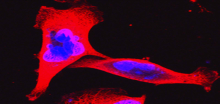
Understanding the physiological and functional characteristics of cancer cells at the individual level, and the tumor tissue as a highly orchestrated multicellular formation, by whose activity the tumor expands, invades and disseminates, is the main goal of cancer biology research today. Defining the causes of abnormal behavior of neoplastic cells individually and in the context of the tumor microenvironment, including the histological, metabolic and immunological specificities of this tissue, represents a platform for designing new approaches in cancer treatment. Investigating the phenomenon of initial or acquired tumor resistance helps to gain deeper insights into the reasons for limited effects of the conventional treatments, enabling the improvement of existing protocols.
I completed my undergraduate studies in Ecology in 2023 at the Faculty of Biology at the University of Belgrade. I defended my Master's studies in Ecology and Environmental Protection in 2024 at the same faculty with the thesis: Unsupervised machine learning in the recognition of bioclimatic signals in the region of the Western Balkans. By enrolling in a PhD in 2025, I got employed at the Institute at the Department of Evolutionary Biology, where I am currently conducting doctoral research on the invasiveness of the red-eared turtle (Trachemys scripta elegans) and its competition over the pond turtle (Emys orbicularis) in natural and urban freshwater habitats, by implementing environmental DNA as a method for detection.
During my studies, I actively participated in the work of the Biological Research Society "Josif Pančić" as secretary and project manager, whereas in 2024 I led a citizens' association project "Projekat Jastrebac" with the support of BOŠ and USAid, with a focus on contributing to the knowledge of biodiversity and the risk factors of Veliki Jastrebac Mountain, with the aim of declaring the mountain a protected area. In the work of the Society's herpetological section, I primarily participated in the study of herpetofauna diversity of target areas. While conducting research and field activities at the university and as a volunteer at IBISS, I participated in research on the defensive behavior of the Fire-bellied toad (Bombina bombina), the functional morphology of the European pond turtle (Emys orbicularis), and the effect of artificial lighting on the development of the European tree frog (Hyla arborea). As part of European Solidarity Corps, in 2025 I was a long-term volunteer in Association Biom, BirdLife’s partner in Croatia, where I participated in LIFE projects focused on the protection and conservation of the griffon vulture (Gyps fulvus) (LIFE SUPport), as well as the control of invasive species and the monitoring of nesting seabirds (LIFE TETIDE).

Aquatic ecology studies the ecosystems in aquatic environments including seas, rivers, lakes, ponds and wetlands. It examines the interaction between the physical, chemical, and biological components of aquatic ecosystems. Aquatic ecologists are also interested in human interactions with the environment, and the impact of human activity on aquatic ecosystems.

Biodiversity is the variety and variability of life on Earth. It encompasses diversity at the genetic, taxonomic and ecosystem levels. Biodiversity is important in both natural and artificial ecosystems. Today, biodiversity is threatened by habitat loss and fragmentation, unsustainable resource use, invasive species, pollution and global climate change.

Invasion biology studies introduced invasive species and their impact on the diversity, structure, dynamics, and functioning of the ecosystems they inhabit. Invasive species are considered one of the most significant factors that lead to a reduction in biodiversity.

Eco-Evo-Devo combines ecology, evolutionary theory and developmental biology. Within the Eco-Evo-Devo, the influence of environmental signals (biotic and abiotic) on the structure and dynamics of populations, the formation of new phenotypes during the developmental process, and their evolution is studied on different taxa of plants, animals and fungi.

Conservation biology aims to conserve biodiversity on Earth and is concerned with the long-term sustainability of ecosystems. With an interdisciplinary approach, conservation biology addresses conservation problems at the level of species, communities, and ecosystems that are directly or indirectly disturbed by human activities or other impacts.
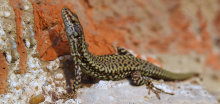
Urban ecology focuses on studying fundamental ecological concepts within urban areas. It examines how ecological patterns, relations and processes differ in urban environments compared to non-urban environments, and investigates the impact of urbanisation on the ecology of organisms. Additionally, urban ecology examines the relationships and interactions between ecological and social systems within urban ecosystems that are made exclusively by anthropogenic activity.
Phone: +381 11 20 78 300
Fax: +381 11 27 61 433
Email: ibiss@ibiss.bg.ac.rs
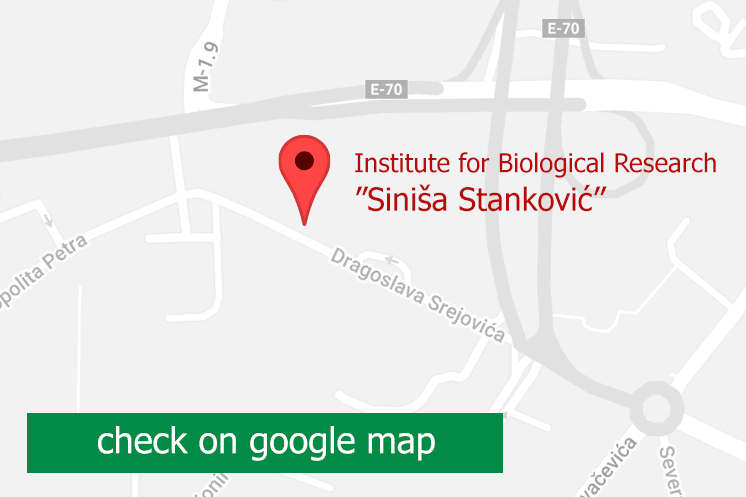
Bulevar despota Stefana 142
11108 Belgrade
Serbia


IBISS uses analytical cookies to analyze the use of the site in order to improve the user experience, by clicking "Accept" you consent to the use of cookies.